Research Task – Justine Varga – Maternal Line (P.123)

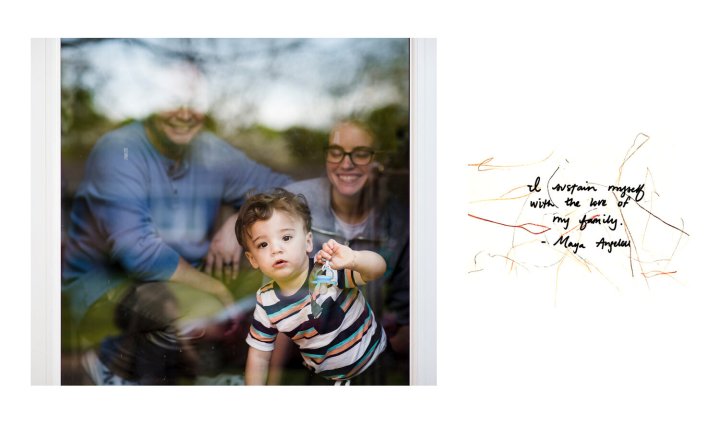
As part of the research for this section we are encouraged to find examples of photographers or artists who create portraits without including the human figure. One of the artist I have come across is Justine Varga, whose work, Maternal Line won the Olive Cotton award, named after the pioneering Austrialian modernist photographer of the 1930s and 40s, Olive Cotton (1911-2003); in 2017. The work was controversial, partly because it is not a traditional, figurative portrait. Partly because instead of taking a tradional picture of her grandmother, Varga instead asked her grandmother to draw and spit on a a piece … Continue reading Research Task – Justine Varga – Maternal Line (P.123)
Penny Klepuszewska – Living Arrangements

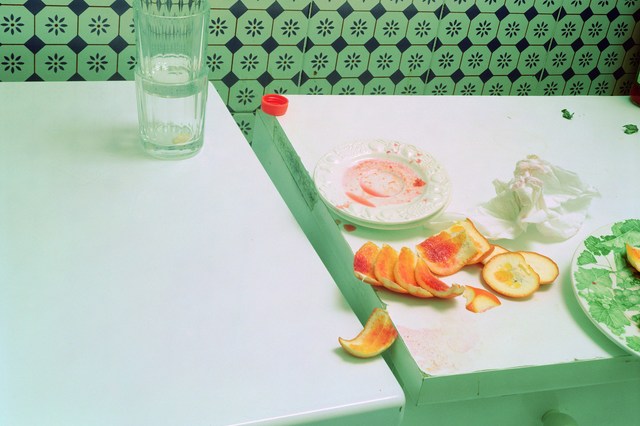
Penny Klepuszewska’s collection Living Arrangements was created in response to Kelpuszewska reading about the increasing averge age of the population and wanting to create a work that explored how ageing people living alone were affected by this trend and how the home, often considered as a place of sanctuary can instead become an island of isolation for some elderly people. The work, first shown in 2006, was featured in Tate Britain’s first ever photography exhibition, How We Are: Photographing Britain in 2007. Further images from the series can be found here. The series is shot in a similar style with … Continue reading Penny Klepuszewska – Living Arrangements

Jim Goldberg

Jim Goldberg (1953 – ) is an American photographer know for producing work that combines images and text. His breakthrough work was a series titled Rich and Poor, a series of images of afflent and impoverished residents of the San Francisco Bay area, produced between 1977 and 1985. The work looks at he social divide in America in the 1970s and 80s and features black and white portraits accompanied by hand written text from the subjects. Speaking about his work to the Guardian in 2009 Goldberg stated: “There’s a thread that runs through all the work that is to do … Continue reading Jim Goldberg

Research task – Rhetoric of the image

This task is based on the essay Rhetoric of the image by Roland Barthes. How does Barthes define anchorage and relay? Barthes’ essay is not very clear in giving precise definitions of the terms anchorage and relay so I have relied on definitions from other sources. Anchorage – the words associated with an image ‘pin down’ the meaning thereby removing the need or opportunity for the viewer to develop their own interpretation. The words accompanying an image tell the viewer how to interpret the image. Relay – the text and image have a complementary relationship, the words and the image … Continue reading Research task – Rhetoric of the image