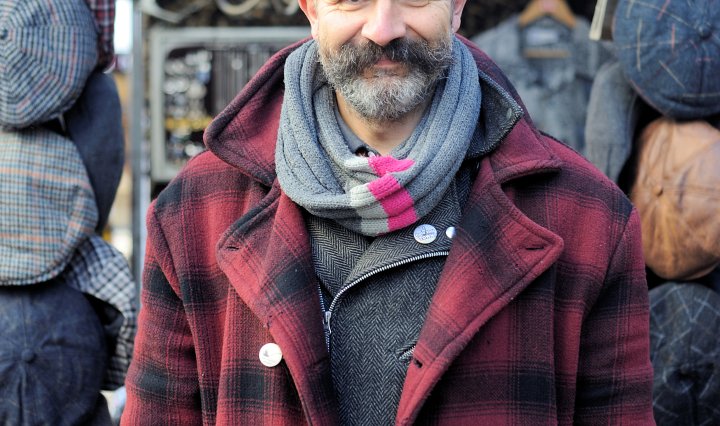
Exercise 3.1 – Mirrors and windows (P.74)

For this exercise I have to select ten images from my archive and separate them into two sets, one that can be thought of as windows, the other as mirrors. These are the definitions used by John Szarkowski in the title of the 1978 exhibition he curated at the Metropolitan Museum of Art (MoMA) in New York. The full title of the exhibition was ‘Mirrors and Windows: American Photography since 1960’ (Marien, 2014). The press release from 1978 states MIRRORS AND WINDOWS has been organised around Szarkowski’s thesis that such personal vision take one of two forms. In metaphorical terms, … Continue reading Exercise 3.1 – Mirrors and windows (P.74)

Exercise 2.2- Covert (P.64)

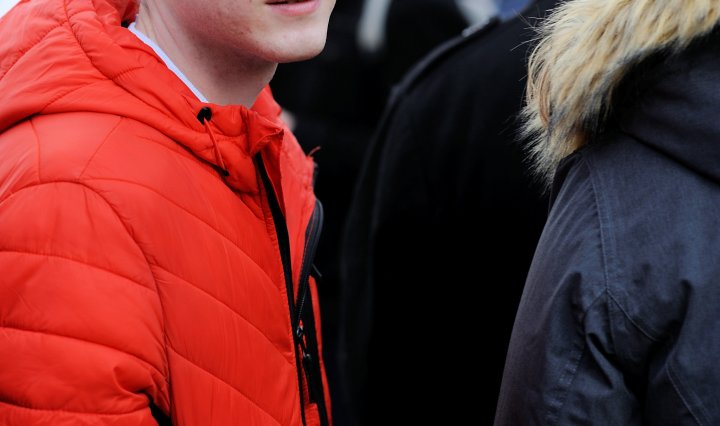
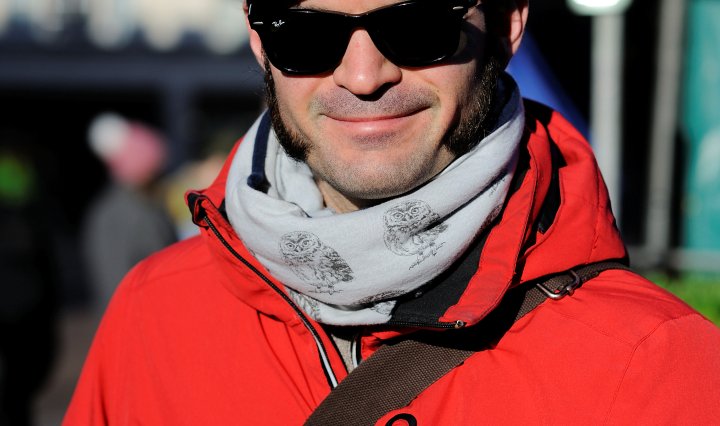
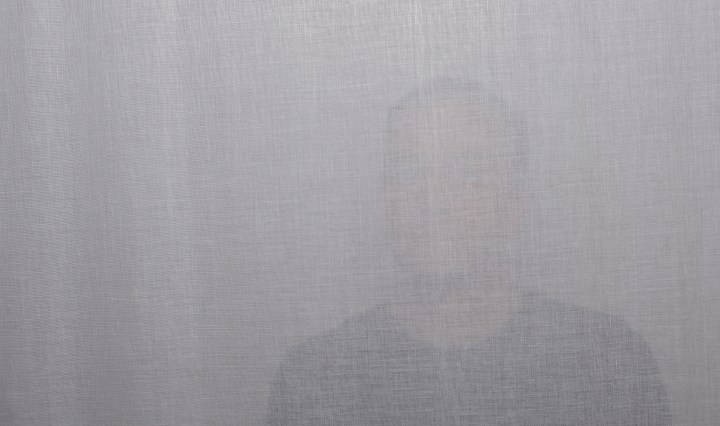
Closely consider the work of the practitioners discussed above, then try to shoot a series of five portraits of subjects who are unaware of the fact they are being photographed. The five photographers mentioned in the introduction to this to exercise, Walker Evans, Philip-Lorca diCorza, Lukas Kuzma, Martin Parr and Tom Wood; all adopted different approaches to capture covert images. Evans and diCorza’s approaches were very technical with hidden cameras and remote shutter release. Tom Wood adopted an almost polar opposite approach of hiding in plain sight; by regularly attending the same venue and giving prints to the people he … Continue reading Exercise 2.2- Covert (P.64)
Exercise 1.4 – Archival intervention (P.51)

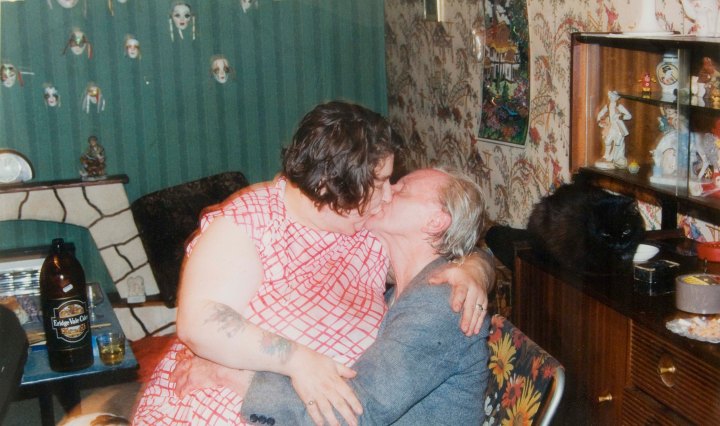
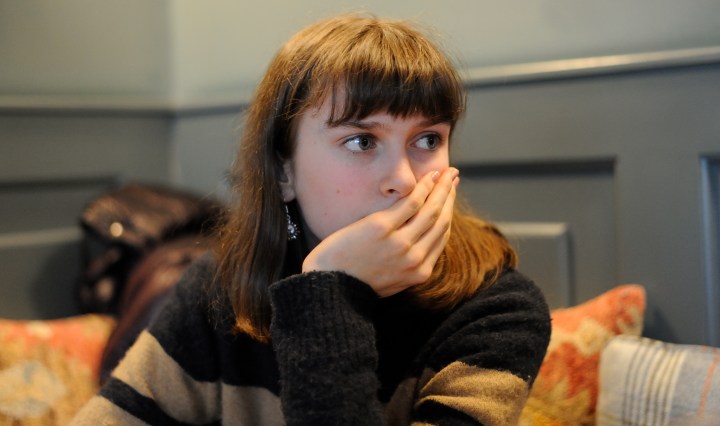
Look through your own family archive and try to discover a series of portraits (four or five) that have existed within this archive, but have never been placed together before. The portraits can contain individuals or even couples; they may span generations, or just be of the same person throughout the years (chronotype). Whichever way you wish to tackle this exercise, there must be a reason or justification for your choices. What message are you trying to get across about these portraits? The four photographs I have chosen are all of my maternal grandfather and span a period of roughly … Continue reading Exercise 1.4 – Archival intervention (P.51)