
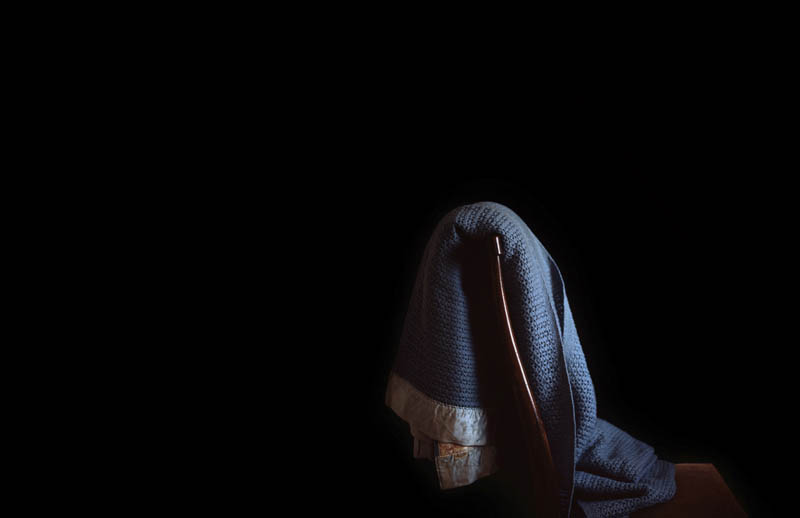
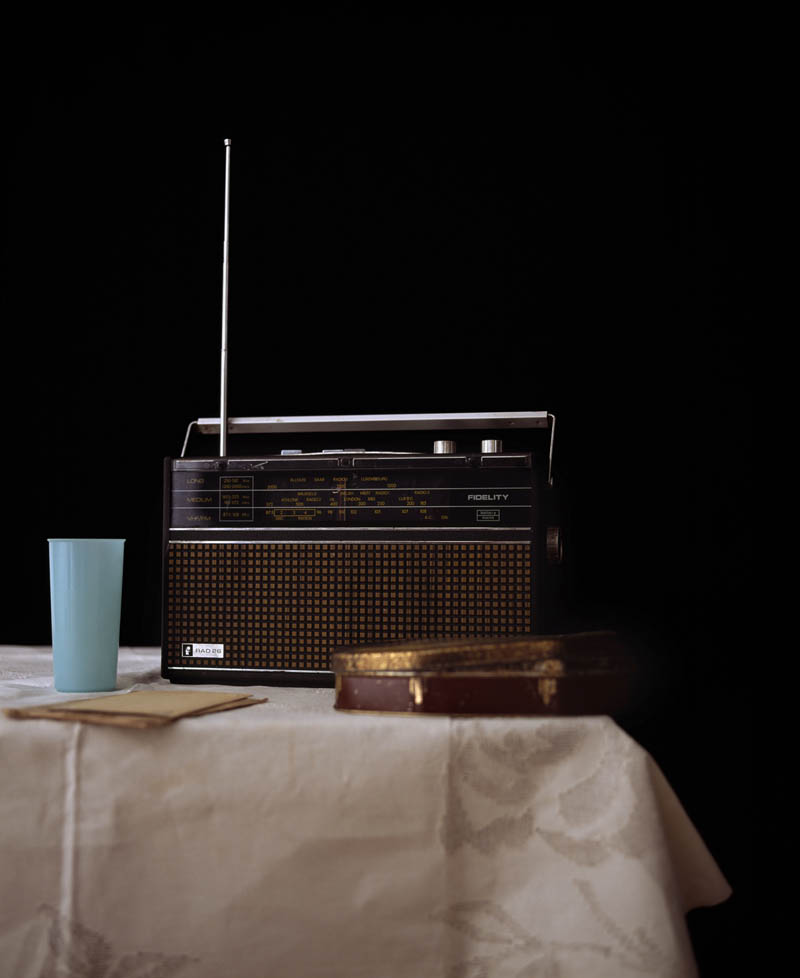
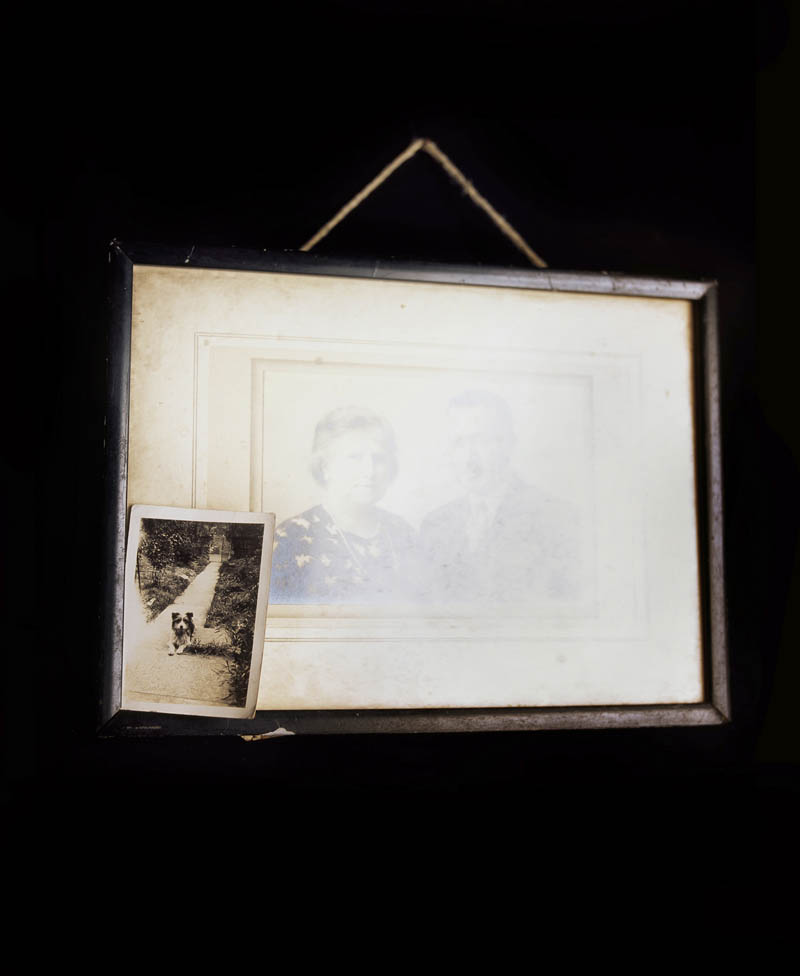
Penny Klepuszewska’s collection Living Arrangements was created in response to Kelpuszewska reading about the increasing averge age of the population and wanting to create a work that explored how ageing people living alone were affected by this trend and how the home, often considered as a place of sanctuary can instead become an island of isolation for some elderly people. The work, first shown in 2006, was featured in Tate Britain’s first ever photography exhibition, How We Are: Photographing Britain in 2007.
Further images from the series can be found here.
The series is shot in a similar style with foreground elements carefully lit and shot against a black background. The dark background serves two purposes in the images, first simplifying the images leading to the viewer focussing on the foreground elements and second it serves as a visual metaphor. The black background communicates the darkness of being isolated and alone.
The use of dark backgrounds in still life images is nothing new and can be seen in paintings from the Netherlands when the genre first flourished in the 1600s.
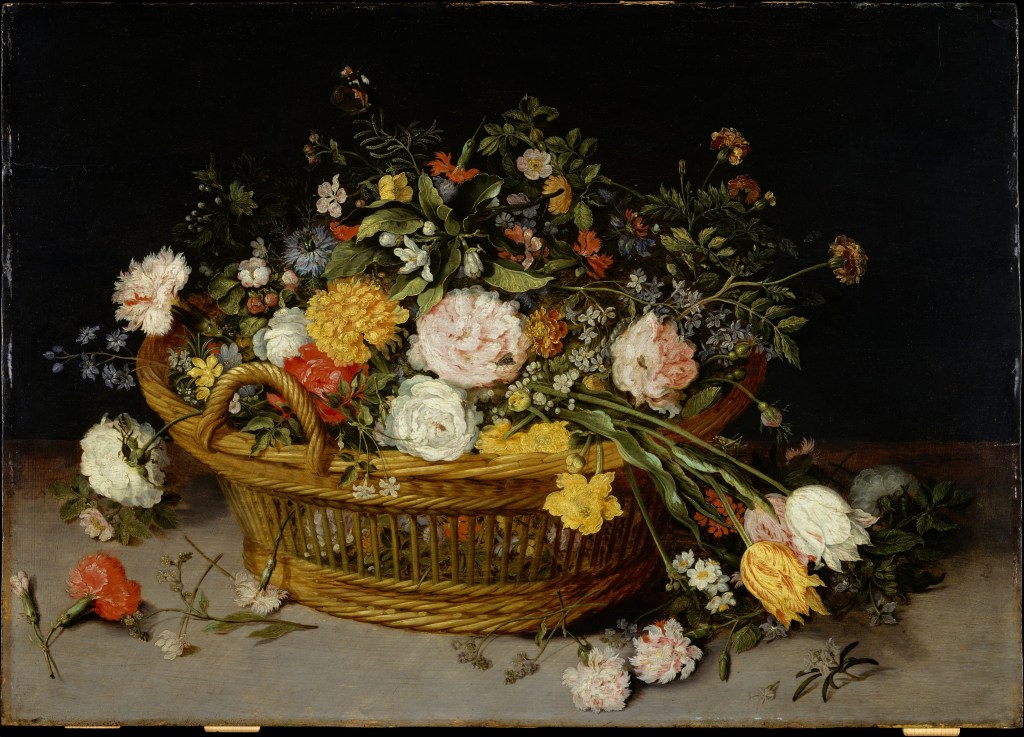
More recently it has been used by photographers, for example Robert Mapplethorpe, in his black and white and colour still lives of flowers.
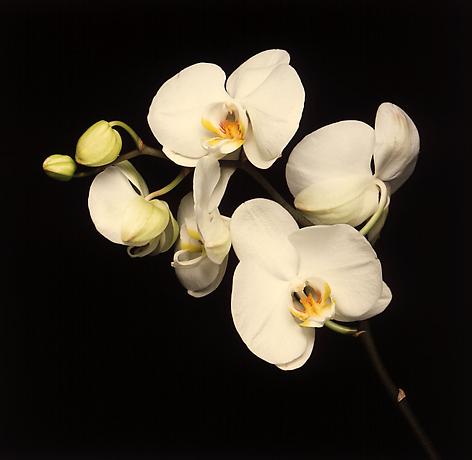
In both these cases the dark background was most likely used for aesthetic reasons and not as a signifier so Klepuszewska’s use of the black backround to convey the despair of loneliness gives her images an emotional quality in addition to their aestheic appeal.
I like Living Arrangements in part due to the simplicity of the compositions and the subtlety of the lighting, but more than that, because of the memories and feelings they evoke. After his second wife died, my paternal grandfather lived alone and the radio in Living Arrangements – 06 is very similar to the one that he had in his kitchen. Equally the blanket draped across the chair in Living Arrangements – 01 reminds me of the bedding I came across at my father’s house following my mother’s death. The black and white photographs in Living Arrangements – 09 will be familiar to anyone who has ever come across a box of old family photographs which as well as family snaps often include formal, studio portraits.
I think the power of the work is a combination of its simplicity and the recognition of everday objects, especially to people born, or whose parents were born, in the first half of the 20th century. The carefully lit objects and the inky black backgrounds do communicate an idea of people left behind and having to fend for themselves as the world moves ahead without them.
Sources
Liedtke, W. (2003) Still-Life Painting in Northern Europe, 1600–1800. At: https://www.metmuseum.org/toah/hd/nstl/hd_nstl.htm (Accessed 05/06/2020).
The Sproxton Award for Photography, 2006 (s.d.) At: https://sproxtonphotographyaward.org/winners/penny-klepuszewska/ (Accessed 05/06/2020).
Five questions for Penny Klepuszewska (2008) At: https://metro.co.uk/2008/07/13/five-questions-for-penny-klepuszewska-270155/ (Accessed 05/06/2020).
The Robert Mapplethorpe Foundation, Flowers (s.d.) At: http://www.mapplethorpe.org/portfolios/flowers/?i=2 (Accessed 05/06/2020).
 OCA517401I&P