
For this exercise I have to collect some images from various newspapers and for each image write some alternative captions that alter the point of view of the image. In addition I then have to write some text for each image the re-contextualises it.
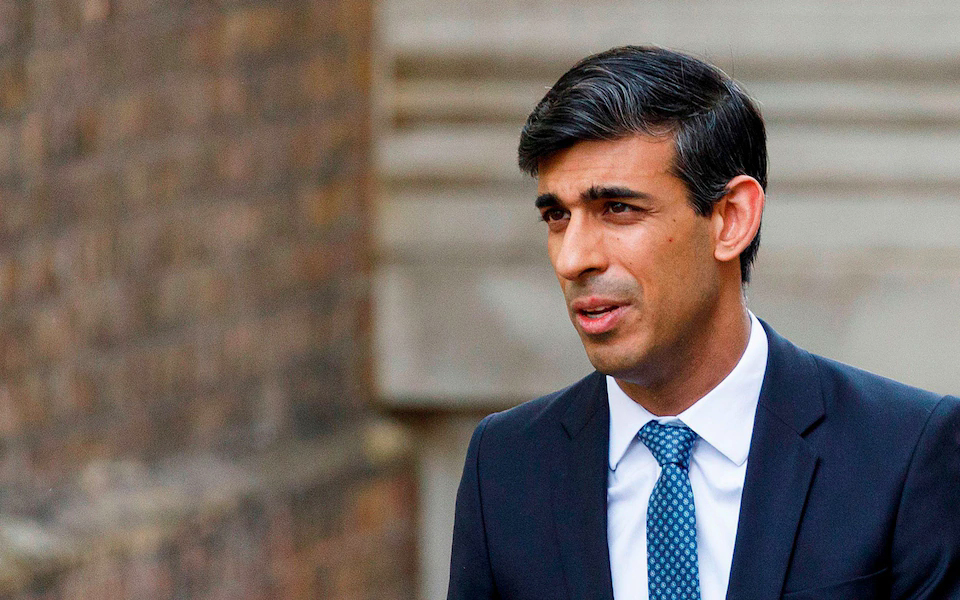
This photograph fromthe The Telegraph website was captioned ‘Chancellor Rishi Sunak’s job retention scheme will be switched off in October’ and was used in an article headlined ‘Jobs at risk because of coronavirus’.
Alternative captions that can be used to anchor the image could include
- Rishi Sunak on his way to update parliament on furlough scheme.
- Chancellor extends furlough scheme until the end of October
- Chancellor confirms UK on the brink of unprecendent recession.
The narrative of a straight forward image like this can be changed by referring to the person in the image but altering the text, for example:
- Chancellor undermines PM over prospects for the UK economy.
- Chancellor photographed with notes recommending extension to transition period.
- Sunak assembling team for leadership bid.
By altering the text the Chancellor changes from loyal member of the government to possible rebel or potential challenger to the Prime Minister.
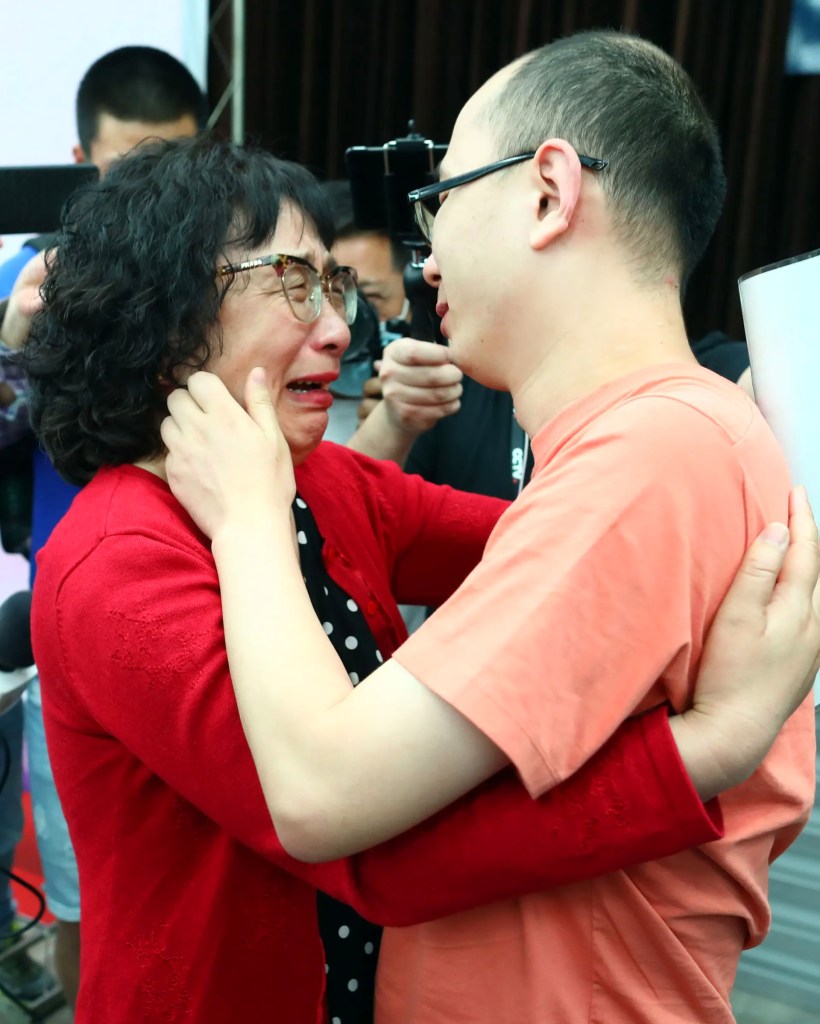
Mao Yin with his mother, Li Jingzhi. Photograph: AFP via Getty Images
This photograph is from an article on the Guardian website whose headline was ‘Chinese man abducted as toddler 32 years ago reunited with parents’.
Again simple captions anchoring the image could be:
- Chinesse man reunited with mother 32 years after abduction.
- Mother’s joy after being reunited with son kidnapped 32 years ago.
- A mother’s love.
Alternatively the image could be captioned to portray a more downbeat or sinister story, for example:
- Son comforts mother after learning of her husband’s death from covid-19.
- Did Chinese authorities collude in abduction of toddler 32 years ago?
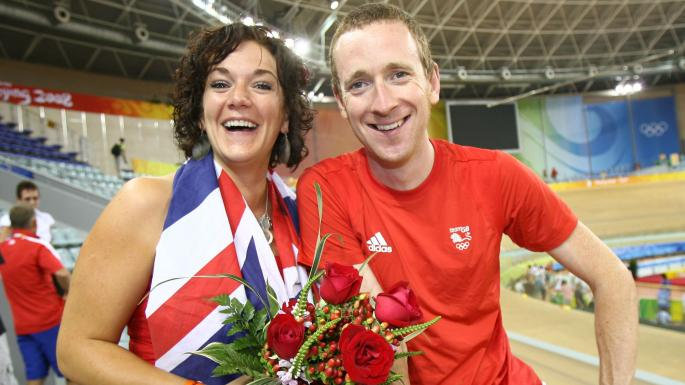
The above photograph was features in The Times on Wednesday 20th May to illustrate an article with the headline ‘Wiggins splits from wife after 16 years’.
I think the use of the the image and text is interesting as looking at the image it conveys happiness and closeness, however, it is being used to in an article about the breakdown of a marriage and separation.
Captions that could be used to anchor the image could be:
- Bradly Wiggins and wife Cath celebrate Olympic triumph.
- All smiles for Olympic hero Bradley Wiggins.
I think that the caption accompanying the image in the newspaper article was a good example of how the image has been re-contextualised. Other possibilities could include:
- My hell with Bradley, Cath Wiggins reveals the truth behind the smiles.
- Wiggins split as Sir Bradley battles demons.
There are several things that have struck me whilst doing this exercise. First I think the quality of images used by newspapers is generally poor and uninteresting. Second is the use of syndicated images and how often the same photograph appears on several different websites, often with very similar copy. Third is the prevalence of images/selfies of women in swimwear/lingerie, this is particularly true of the Daily Mail sidebar. Generally the combination of images and text seems lacklustre and uninspired.
I think this exercise shows the power of text in the formation of a viewer’s response to an image; the text alters the context in which an image is viewed and so can also alter the narrative. All the examples I have put forward are basic pieces of text that anchor the image, although the meaning can be altered, the text relates directly to the images.
The following combination is an attempt to add relay text, that is text that works in conjunction with the image to create a syntagm. I have taken an image of the Prime Minister’s Special Advisor, Dominic Cummings who has been accused of breaking rules on travelling during the coronavirus lockdown. At this stage the Prime Minister is supporting him but as more details are revealed it may be that Cummings has to resign or will be sacked.
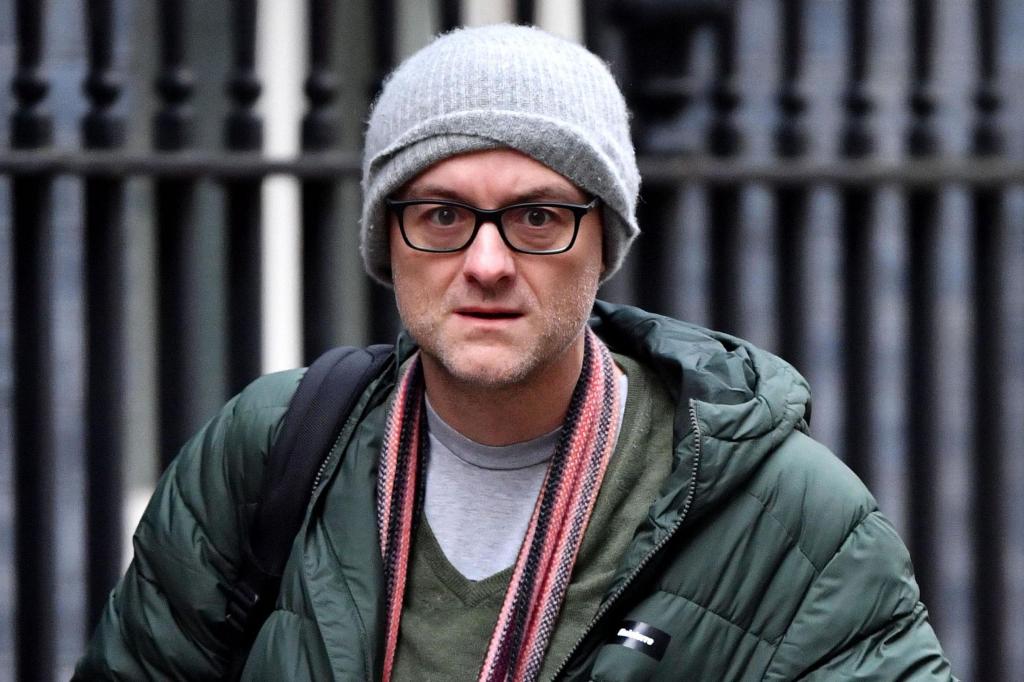
They keep talking about change and growth and reaching the skies
But as I climb something screams inside:
The tree that grew before spreading its roots
toppled before its blossoms bore fruits
echoesofu.poetry
This first combination is based on the assumption that Cumming will be forced to leave his post. It could be interpreted as a cry of anguish by Cummings that he is unable to finish the work he started first running the Vote Leave campaign and later whilst working in Downing Street. An alternative interpretation could be almost as a morality tale, that when he came under pressure, and despite initial support from the PM, Cummings arrogance and distain for many MPs meant that when he needed wider support it was found lacking and so he had to be jettisoned.
Below is another attempt at adding relay text to the same image.

My highest ambition
is to crawl out
from under the ash
and laugh
at all the things
that thought
they could bury
me
Rudy Francisco
In this example the image and text together are meant to represent how Dominic Cummings feels about the furore over the incident and his feelings toward the journalists, commentators and critics who have stated that he should resign; once it is clear that he is not resigning and will not be fired by the Prime Minister.
I think what I have learned from this exercise is threefold. First it has cemented my understanding of the difference between anchorage and relay text. Second it has shown how text can alter the narrative of an image, particularly relay text. Finally it has shown me how relay text can compliment an image to create a more powerful, but not always clearer, message.
I think this exercise will encourage me to look for text from others to use with images; I do not think I am a skilled enough writer to want to add my own text but I like the idea of expanding the messaging of an image though combining it with text either from a subject in the image or a third party.
 OCA517401I&P