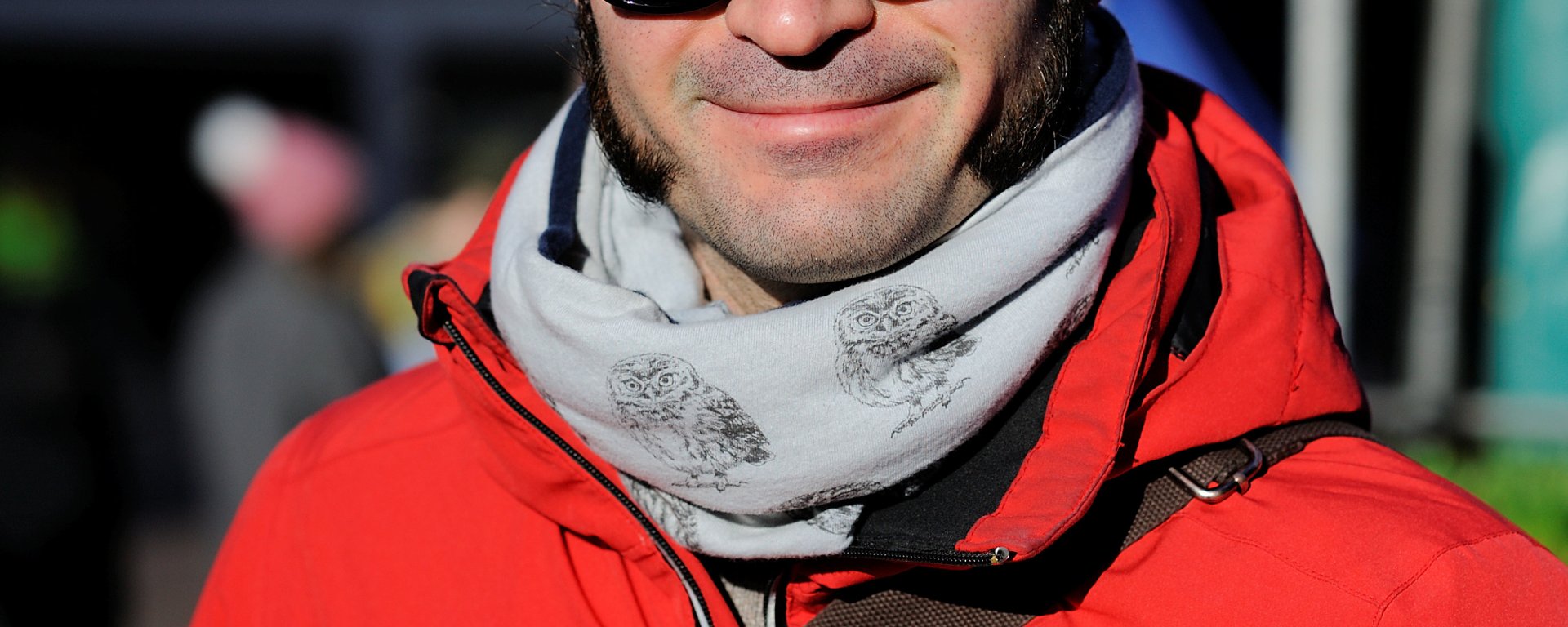
In response to the work of the artists you’ve read about so far, try to create a photographic portraiture typology which attempts to bring together a collection of types. Think carefully about how you wish to classify these images; don’t make the series too literal and obvious.
Once complete, post these portraits on your blog or in your learning log, with a written statement contextualising the work.
For this exercise I went back to the definition of typology contained in the course notes. The two key phrases for me were ‘typology is an act of attribution as opposed to classification, which is simply a process of definition’ and ‘typology can often seem to to show more about difference than similiarity’. I wanted to create a series which contained a common theme but which also demonstrated difference and individuality.
I chose to take portraits of people at random in the centre of Cambridge on a bright, crisp day. I asked if I could take their portrait and of the 31 people I asked, 29 said yes. My reason for asking people who I did not know was as a practice for the assignment at the end of this unit. Some people were a bit reluctant at first but most people were quite happy to be photographed once I’d explained what I was doing. One gentleman called Mike turned out to have taught photography at the University of Kansas and after taking his photograph we chatted for about five minutes, mainly about the benefit of printing images.
Before starting I had looked at a couple of apps on my phone, one which gave me the position of the sun and shadow and the other the depth of field for the lens, aperture and likely distance I would be photographing from. I wanted to ensure that the background would be blurred but also to ensure I had enough depth of field so that the features of the individuals were all sharp. I initially used a 50mm lens set at f2.2 and as it was a bright and very sunny day I did not need to worry about shutter speed. Half way through the morning I changed to an 85mm lens and shot at between f3.5 and f4.0. I realised early on that I would need to be careful about where I photographed people as one of my early attempts was just deep shadows and blown high-lights as they were standing in strong, directional sunlight.
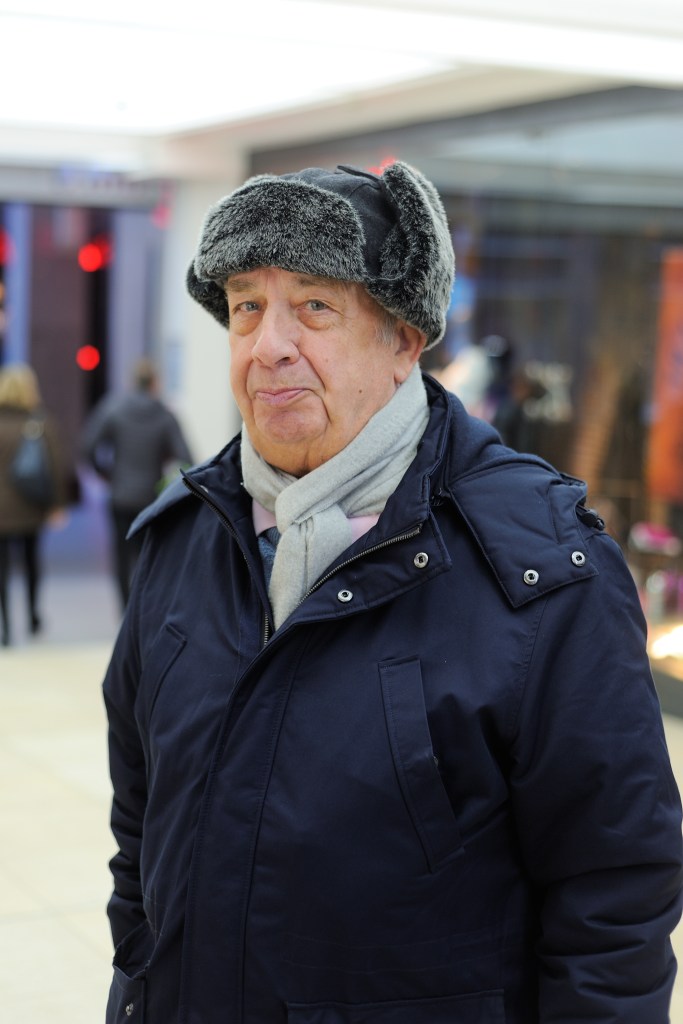
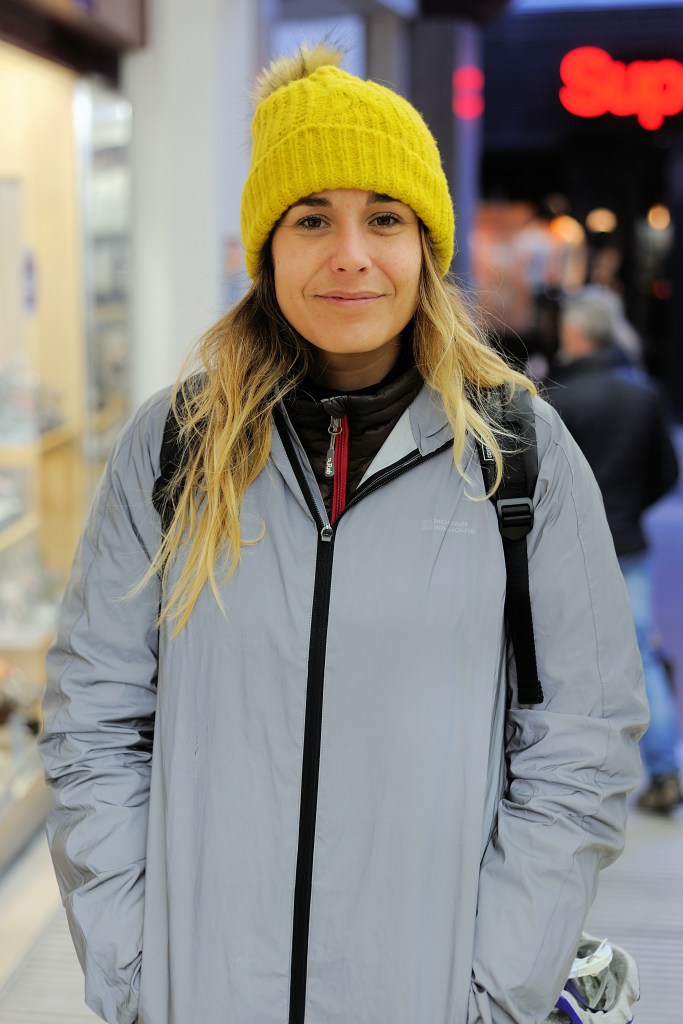

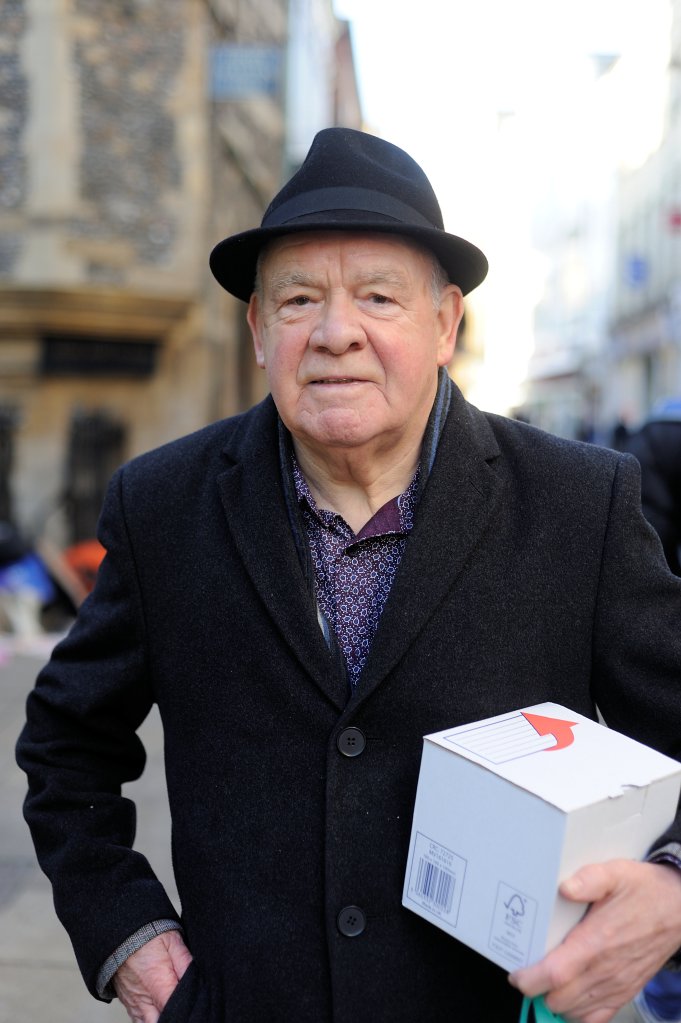
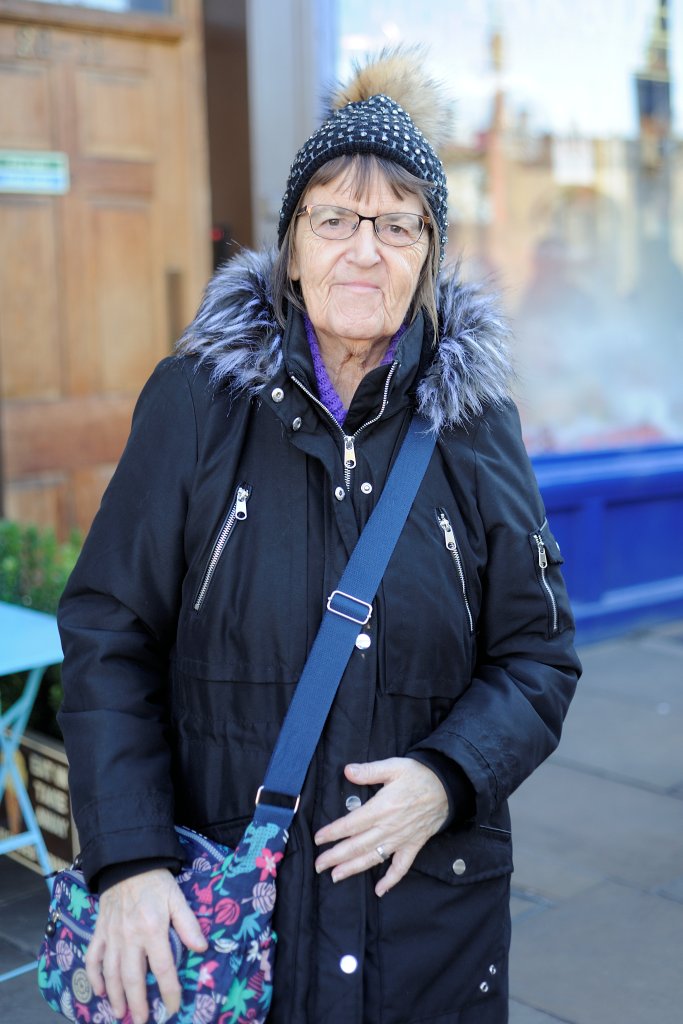
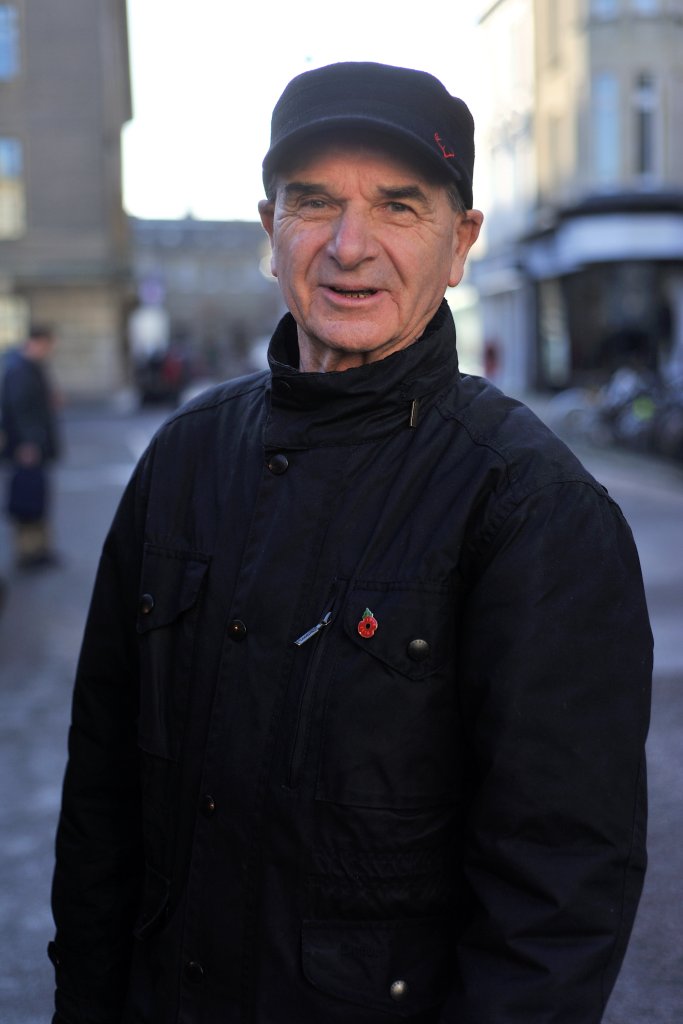
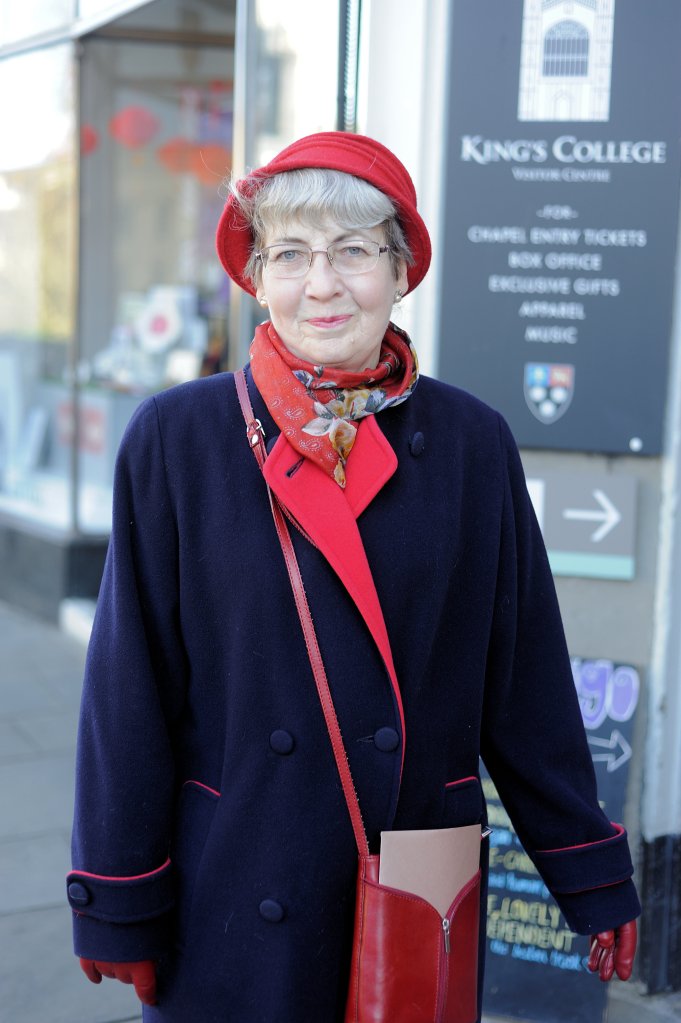

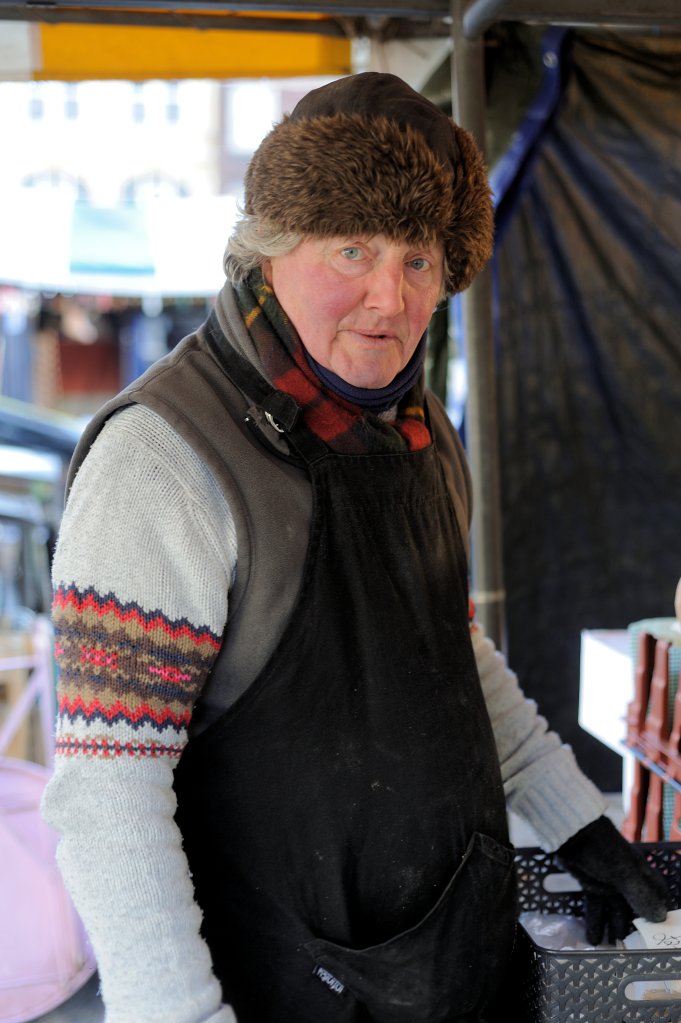
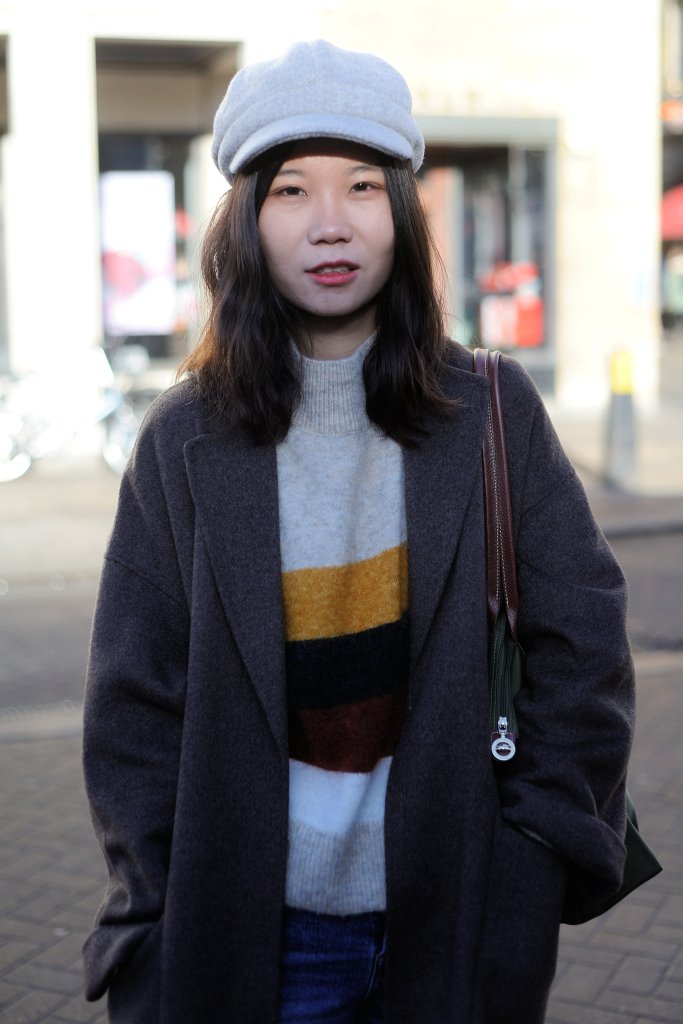
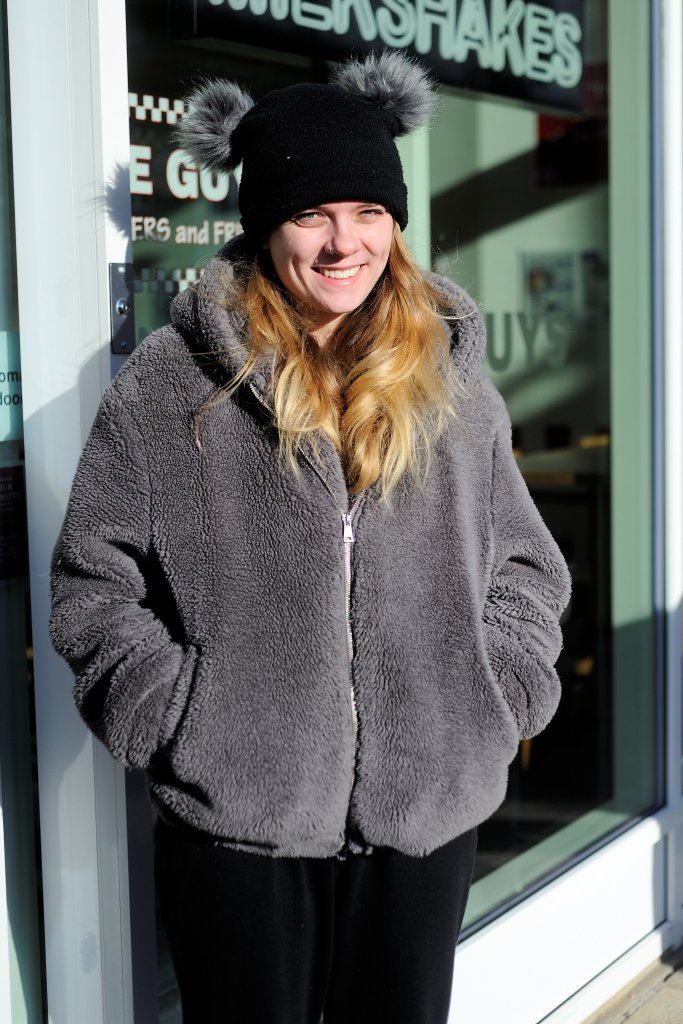


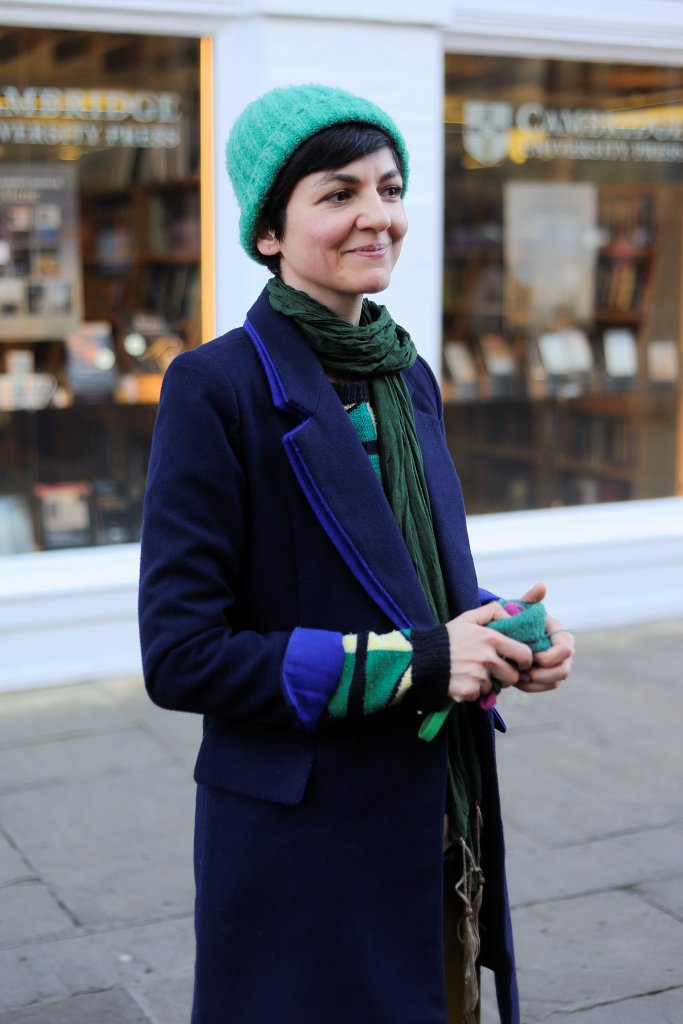
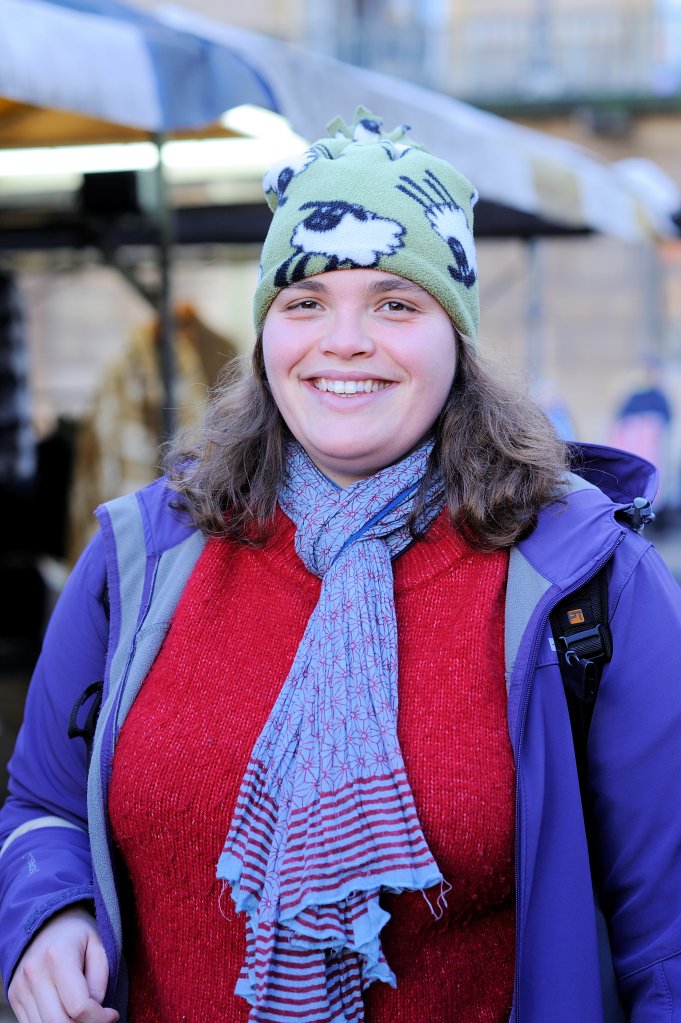

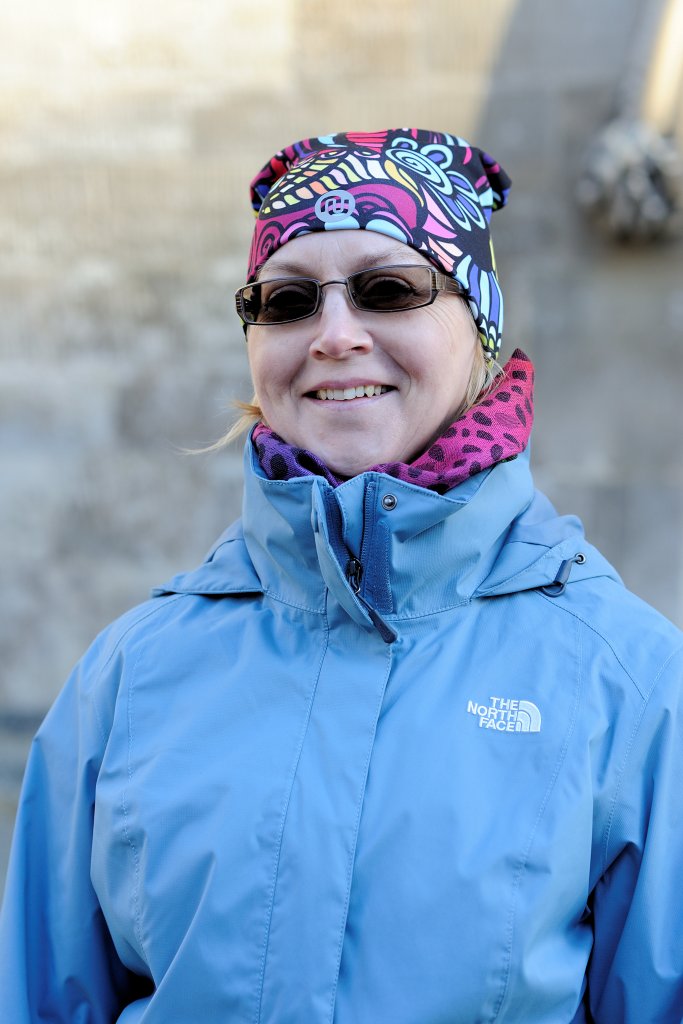

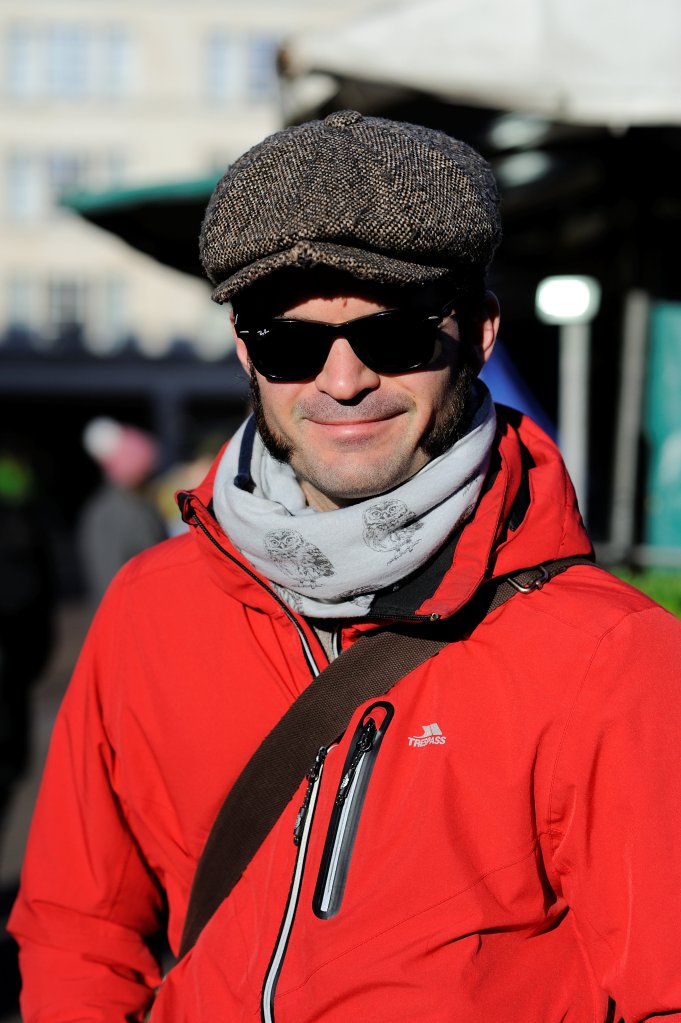
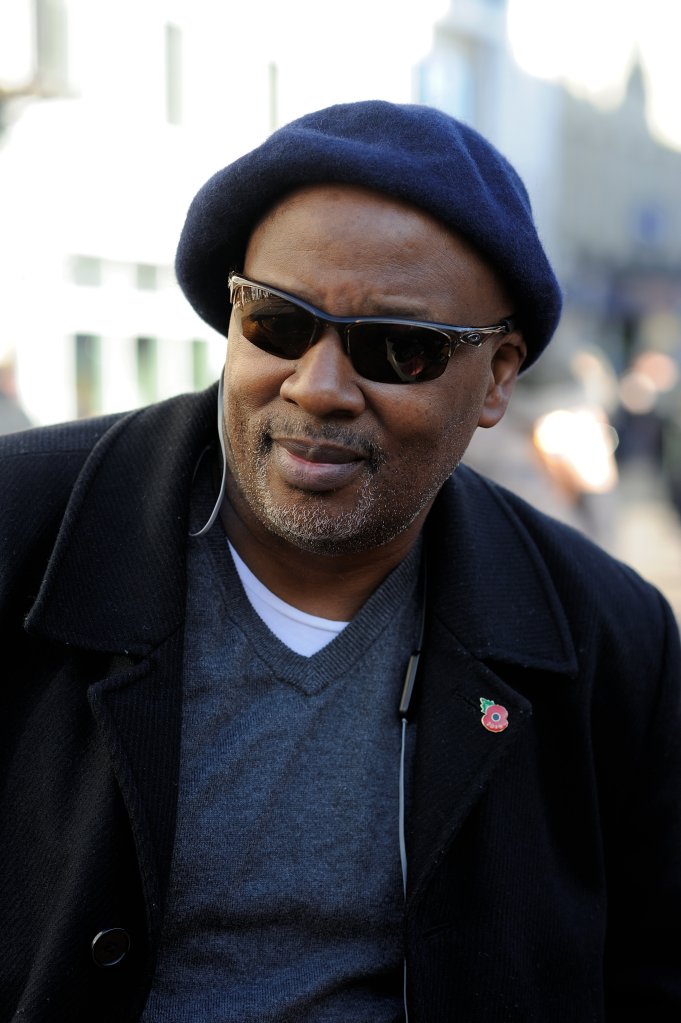




The typology I chose was hats and when shooting I tried to find intesting hats before looking at the people wearing them. I also purposely avoided black and blue beanies as so many people, including myself, were wearing them. By choosing a very broad typology I have been able to capture a wide range of different people wearing them, thereby illustrating differences as well as similarities.
Approaching people and asking them to have their photograph taken was not really an issue for me and it is something I had done for one of my assignments for Expressing Your Vision. What I learned from this exercise was the need to pay attention to the background of the image when shooting quickly. I think several of the images could have been improved if I had considered the background more carefully i.e. not shooting a hat against a similar coloured background. I also perfer the images shot with the 85mm lens for a couple of reasons, first I prefer the tighter framing and second, the images from the 50mm lens I was using are not sharp when viewed at 100%.
I am debating whether or not to use some of these images for assignment one but I think I will probably shoot that separtely taking on board the observations above.
Sources
Boothroyd, S. and Roberts, K., 2019. Photography 1 Identity and Place. 1st ed. Barnsley: Open College of the Arts.
 OCA517401I&P